Crime and Punishment
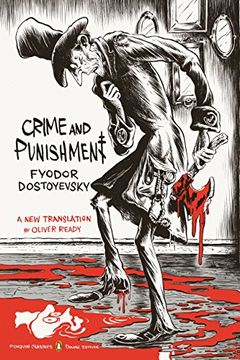
Chapter One takes us on a desperate journey through
Raskolnikov's stifling garret room and the oppressive, poverty-stricken streets
of the city. His feverish delirium, fuelled by hunger and isolation, reveals a
festering resentment towards society and a burgeoning, yet unnamed, plan that
seems to offer an escape from his misery. Dostoevsky uses vivid imagery and
Raskolnikov's disjointed thoughts to create a palpable sense of paranoia and
inner turmoil, leaving the reader unsettled and on edge.
Chapter two introduces Marmeladov, a drunken former official
whose own descent into poverty casts a stark light on Raskolnikov's potential
future. The scene in the tavern, a microcosm of societal decay, further fuels
Raskolnikov's self-righteous anger and belief in his own exceptionalism.
However, Marmeladov's unexpected act of selflessness towards a prostitute,
Sonja, and his desperate plea for his daughter's salvation plant a seed of
doubt in Raskolnikov's cold calculations.
These opening chapters are not simply about setting the
scene; they are a deep dive into Raskolnikov's psyche. Dostoevsky weaves
philosophical speculation with raw emotional turmoil, hinting at the
intellectual underpinnings of Raskolnikov's forthcoming crime, while
simultaneously laying bare the human cost of his isolation and despair. He
masterfully constructs a moral maze, blurring the lines between righteousness
and madness, leaving the reader questioning how far societal injustice can push
a man and where the line between theory and action lies.
By the end of these two chapters, we are both repulsed and intrigued by Raskolnikov. We glimpse the potential for redemption amidst his self-destruction, and we are left yearning to understand the motivations behind the act that will forever alter his life and ours. Dostoevsky has successfully hooked us, setting the stage for a literary journey that will challenge our own moral compass and explore the darkest corners of the human psyche.
Comentarios
Publicar un comentario